
RBZ’s ZiG Yield Curve Initiative: A New Direction for Zimbabwe’s Financial Markets
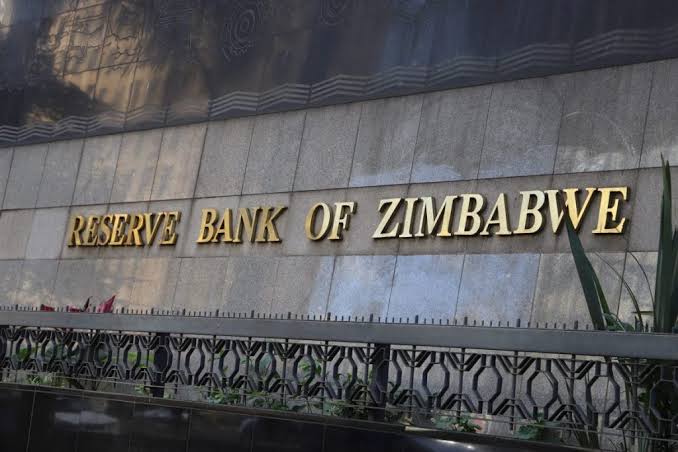
The Reserve Bank of Zimbabwe wants the ZiG to be a currency people save in, not only one they spend. Its plan is to build a ZiG yield curve and to offer longer-term instruments. Businesses, banks and financial service providers all have a stake in the outcome.
Zimbabwe’s central bank is trying to take the gold-backed ZiG beyond its role as a currency for everyday transactions. It plans to build a domestic yield curve and introduce longer-dated instruments to persuade households, companies and institutional investors to hold local currency. Governor John Mushayavanhu has said the aim is to make the ZiG a store of value, not just a transactional currency.
A yield curve is a benchmark of what money earns, or costs, over different periods. It plots the interest an investor earns for lending over periods from one month to 10 years, and it gives banks a reference for pricing mortgages, car loans and Treasury bonds. Without a reliable curve, banks cannot price loans or mortgages scientifically, and long-term saving becomes a gamble. Analysts say the ZiG era had no published risk-free yield curve before the central bank’s term deposit bills.
The first building blocks are in place. The RBZ introduced 30-day ZiG term deposits at 8 percent and 90-day deposits at 11 percent, and both were fully taken up at auction, with Treasury bonds expected to follow to extend the curve. The central bank has said the rate is market-determined through the auction system. One analyst described the first auction as “the construction of a ZiG yield curve in real time”. A second round of bills followed the inaugural 90-day issuance on 4 June 2026.
Real returns matter as much as the instruments. With savings rates at 9 percent and time deposit rates at 7.5 percent against September inflation of 3.7 percent, the RBZ says savers now earn a positive real return. Economists say success depends on that staying true. They argue that real returns above inflation would go a long way towards restoring trust in the ZiG as a store of value. Analysts also warn that sustained low inflation and reserve build-up will be critical to winning public trust after previous currency failures.
What this means for Zimbabwe’s financial services sector
For banks, a credible curve could make lending rates more predictable and support longer-dated ZiG lending, which analysts say could reduce dollarisation. The RBZ has also said it wants banks to offer rates above the deposit facility rate to attract savings and time deposits. That could increase competition for deposits. For companies, a curve would give them a reference point for raising capital in local currency. It could also encourage local-currency Treasury securities, corporate debt and other investment products, which would create openings for asset managers, brokers and fintechs.
There are limits. A yield curve does not guarantee cheaper credit, because banks must still price in borrower risk, liquidity, operating costs, capital requirements and possible depreciation. The real test is whether Zimbabweans choose to save in ZiG.
Sources: The Zimbabwe Mail, “Zimbabwe’s ZiG Yield Curve Plan Tests Confidence in Local Currency Savings” (14 November 2026): https://thezimbabwemail.com/main-headline/zig-yield-curve-zimbabwe-local-currency-savings/. Additional reporting from The Herald: https://www.heraldonline.co.zw/rbz-moves-to-make-zig-a-store-of-value/ and https://www.heraldonline.co.zw/economists-back-rbz-plan-to-make-zig-a-store-of-value/.

